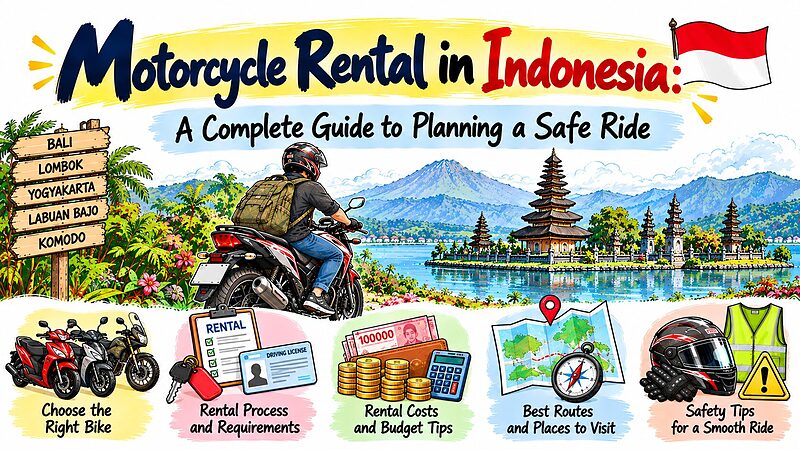
Motorcycle Rental in Indonesia: A Complete Guide to Planning a Safe Ride
Introduction
Indonesia gives travelers many ways to enjoy its islands, beaches, mountains, and local culture. A motorcycle can make short trips easier and help you discover places beyond busy tourist centers. You can visit local markets, stop at small restaurants, and explore nearby attractions at your own pace. However, renting a motorcycle also brings important duties. You must choose a suitable vehicle, prepare the right documents, and understand the rental agreement. Local traffic may feel unfamiliar, while rain and road conditions can change quickly. Rental providers may also set different prices, deposits, and return rules. A little research before booking can help you avoid extra costs and unsafe choices. This guide explains how to plan your rental, compare motorcycles, check the vehicle, and follow safer riding habits. With careful preparation, you can make better travel decisions and enjoy more of what Indonesia offers.
What Makes Motorcycle Travel Useful?
A motorcycle gives you more control over short journeys. You can choose your departure time, visit nearby attractions, and make stops without waiting for scheduled transport. In some tourist areas, this flexibility can make daily travel easier.
Yet a motorcycle does not suit every person or journey. Busy roads, unfamiliar traffic, steep routes, and wet surfaces can create risks. Riders need enough experience to handle these conditions calmly.
Think about your travel plans before making a booking. If you want to explore nearby places and already ride confidently, a motorcycle may suit your needs. If you feel nervous in traffic, consider taxis, buses, or a car with a driver.
Choose a Motorcycle That Fits Your Plans
Your route, riding skills, and luggage should guide your choice. A small scooter may suit short local trips, while a larger motorcycle may offer more comfort on some longer routes. Always choose a vehicle you can control safely.
| Motorcycle type | Recommended use | Main advantage | Important limitation |
|---|---|---|---|
| Small scooter | Short trips around town | Easy parking in many areas | Limited luggage capacity |
| Automatic scooter | Everyday tourist travel | Simple controls | May not suit rough or steep roads |
| Manual motorcycle | Mixed routes and longer rides | Offers options for experienced riders | Requires gear-changing skills |
| Touring motorcycle | Longer journeys | May offer better comfort for extended rides | Can cost more and feel heavier |
Before choosing, check the seat height, weight, braking system, tyre condition, and steering. Make sure the motorcycle feels comfortable when you sit on it.
If you plan to carry a passenger, confirm that the vehicle supports two riders. Both people should wear suitable helmets. Secure your bags and keep the load within the motorcycle's limits.
Explore Indonesia With the Right Route Plan
Road conditions differ between islands, cities, and rural areas. Research the places you plan to visit before selecting a motorcycle.
Bali: Beaches and Village Roads
Bali offers coastal drives, rice fields, and routes through small communities. Popular tourist areas can have heavy traffic and limited parking. Narrow roads may become slippery during rain. Plan shorter rides if you are unfamiliar with local conditions.
Jakarta: Heavy City Traffic
Jakarta has busy intersections, crowded streets, and frequent traffic delays. Riders must pay attention to nearby vehicles and leave enough stopping distance. Travelers who lack experience in dense traffic may find other transport options more suitable.
Lombok: Coastal Views and Hills
Lombok offers scenic beaches and rural routes. Some journeys include hills, sharp bends, and roads with changing surfaces. Check the weather and plan fuel stops before traveling through quieter areas.
Other Islands: Check Local Conditions
Java, Sumatra, Flores, and other Indonesian islands have different road networks and services. Remote routes may offer fewer fuel stations, repair shops, or medical facilities. Research your journey and allow enough time for rest stops.
Understand the Legal Requirements
Before renting a motorcycle, confirm which driving documents Indonesian law requires. Rental providers may ask for identification, a valid licence, contact details, and a security deposit.
Foreign visitors should check whether they need an International Driving Permit alongside their home-country licence. Make sure the documents cover the motorcycle category you intend to ride.
Prepare the following items when required:
A valid driving licence for the motorcycle category.
An International Driving Permit, if applicable.
A passport or other accepted identification.
A copy of the rental agreement.
Payment and deposit records.
The rental provider's contact details.
Clear information about insurance coverage.
Check official guidance before your trip. Do not assume that a provider's willingness to rent you a motorcycle proves that you meet every legal requirement.
Build a Realistic Rental Budget
Rental prices depend on the motorcycle, destination, season, booking length, and included services. Smaller scooters may cost less than larger motorcycles. Some providers may offer different rates for longer rentals.
The daily price may not include every expense. Ask about fuel, helmets, delivery, insurance, deposits, and late-return fees. Request a written breakdown so you can compare offers fairly.
| Cost category | Details to confirm |
|---|---|
| Rental price | Daily rate and total booking amount |
| Deposit | Amount, refund timing, and possible deductions |
| Fuel | Starting level and return requirements |
| Safety equipment | Whether suitable helmets are included |
| Delivery | Any hotel, airport, or pickup charge |
| Insurance | Coverage limits, exclusions, and excess |
| Damage | Responsibility for scratches or repairs |
| Late return | Extra fees and return-time rules |
Compare the full cost rather than choosing the lowest advertised rate. Ask questions before paying if the provider cannot explain a fee.
Keep the agreement and payment receipt throughout the rental. These records can help if a disagreement occurs over charges or the deposit.
How to Find a Suitable Rental Provider
A good provider should explain the rental process and answer questions clearly. Recent customer reviews can help you learn about vehicle quality, customer service, and deposit refunds. Look for detailed feedback rather than relying only on star ratings.
Before you book, confirm that the provider:
Gives you clear rental terms in writing.
Explains the total price and deposit rules.
Shares insurance details and exclusions.
Provides a motorcycle with the required documents.
Explains what to do if the vehicle breaks down.
Confirms the pickup location and return time.
Provides contact details for rental support.
MotoShare.id may be useful when exploring vehicle-rental options in Indonesia. Review each offer carefully and confirm the actual services, vehicle details, and payment conditions. Never assume that all providers offer the same coverage or support.
Avoid providers who pressure you to pay quickly or refuse to explain important conditions. Comparing alternatives can help you make a more informed choice.
Inspect the Motorcycle Before Starting
A quick inspection can help you spot faults and record existing damage. Complete it before leaving the pickup location, even if you have already paid.
Use this checklist:
Tyres: Check for worn tread, cuts, and visible damage.
Brakes: Test both brakes in a safe area.
Lights: Check the headlight, brake light, and indicators.
Mirrors: Adjust them for a clear view behind you.
Steering: Look for unusual resistance or movement.
Throttle: Confirm that it moves and returns smoothly.
Fuel: Record the starting fuel level.
Bodywork: Photograph scratches, dents, and broken panels.
Documents: Confirm that you have the required papers.
Helmet: Check the fit, fastening strap, and condition.
Take clear photographs from different angles. Show the provider any damage you find and ask them to record it before you leave.
Never ride a motorcycle with faulty brakes, damaged tyres, broken lights, or steering problems. Request another vehicle if you notice a serious safety issue.
Follow Basic Road Safety Rules
Safe riding starts with attention and patience. Wear a properly fitted helmet and follow local road signs and speed limits. Keep a safe distance from other vehicles and avoid sudden turns.
Never use your phone while riding. Do not ride after drinking alcohol or taking substances that affect your judgment. Slow down when traffic becomes crowded or the road surface changes.
Rain can reduce visibility and tyre grip. Stop somewhere safe if heavy rain makes riding difficult. Avoid deep floodwater because it may hide holes, debris, or other hazards.
Plan your route before setting off. Keep your phone charged and save important contact numbers. Tell someone your plans before taking a longer trip, especially when the route passes through remote areas.
Rest when you feel tired. If you cannot manage the road conditions comfortably, choose another transport option.
Rental Mistakes You Should Avoid
A rushed booking can create problems later. Check the details carefully and keep a record of important agreements.
Ignoring the contract: Read the rental period, return conditions, deposit rules, and damage policy before paying.
Choosing a motorcycle that feels difficult to control: Pick a model that matches your experience and physical comfort.
Skipping the damage check: Photograph the vehicle and report existing marks before leaving.
Forgetting additional charges: Confirm costs for fuel, delivery, equipment, insurance, and late returns.
Overlooking driving rules: Check the required documents and follow local traffic laws.
Planning a route without enough preparation: Research fuel stops, weather, road conditions, and repair options.
Failing to confirm the return: Agree on the return location and time. Keep proof that you returned the motorcycle.
Tips for a Smoother Rental Experience
Book early during busy travel periods if you need a specific motorcycle. Compare providers, read the agreement, and confirm that the pickup and return arrangements suit your schedule.
Save digital copies of the rental agreement, receipt, and provider's contact information. Keep these details accessible while you travel.
Review your travel insurance before riding. Some policies exclude motorcycle accidents if you lack the correct licence or fail to meet specific conditions. Ask your insurer which rules apply to your trip.
If you want to travel between islands, ask the provider for written permission first. Confirm that the agreement allows ferry transport and that any relevant insurance remains valid.
If the motorcycle breaks down, move away from traffic when safe and contact the provider. Contact emergency services when necessary. Before agreeing to non-urgent repairs, ask who will pay and what the work will cost.
Frequently Asked Questions
Can tourists rent motorcycles in Indonesia?
Tourists can rent motorcycles when they meet the applicable legal and provider requirements. Check your driving documents and local rules before booking.
What driving documents should I carry?
Carry the documents required by Indonesian law, which may include your valid licence and an International Driving Permit. Confirm the rules for your motorcycle category before traveling.
How much should I budget for a rental?
The total depends on the motorcycle, location, season, and rental period. Include deposits, fuel, equipment, insurance, and other fees when comparing prices.
Is an automatic scooter a good choice?
An automatic scooter may suit short trips if you have the right skills and legal permission. Check the road conditions and make sure you can control the vehicle comfortably.
Do rental providers require a deposit?
Many providers request a security deposit, but the amount and rules vary. Ask when the provider will return it and which charges may reduce the refund.
Does every motorcycle rental include insurance?
No. Coverage depends on the provider and rental agreement. Read the policy details and check exclusions before accepting the motorcycle.
Can I take a rental motorcycle between islands?
Some agreements may restrict inter-island travel. Ask the provider for written permission and confirm any ferry, return, and insurance conditions.
What should I do if I have a breakdown?
Move to a safe location when possible and contact the rental provider. Follow their instructions and discuss repair costs before approving non-urgent work.
Should beginners rent motorcycles in Indonesia?
Beginners should assess their skills honestly. Busy traffic and unfamiliar roads may create extra risks, so public transport or a car with a driver may be safer.
How can I avoid problems when returning the motorcycle?
Follow the agreed return time, photograph the motorcycle, and review any damage with the provider. Keep your agreement and payment records until you settle the return.
Final Thoughts
Motorcycle rental can give you more freedom to explore Indonesia, but the right preparation makes a real difference. Choose a vehicle that matches your riding skills and route. Confirm the legal documents, compare the full price, and inspect the motorcycle before leaving. Read the rental agreement and understand the insurance terms. Plan around local traffic, weather, and road conditions. If riding feels unsafe, choose another way to travel. Careful decisions can help you enjoy your Indonesian trip with greater confidence and fewer surprises.
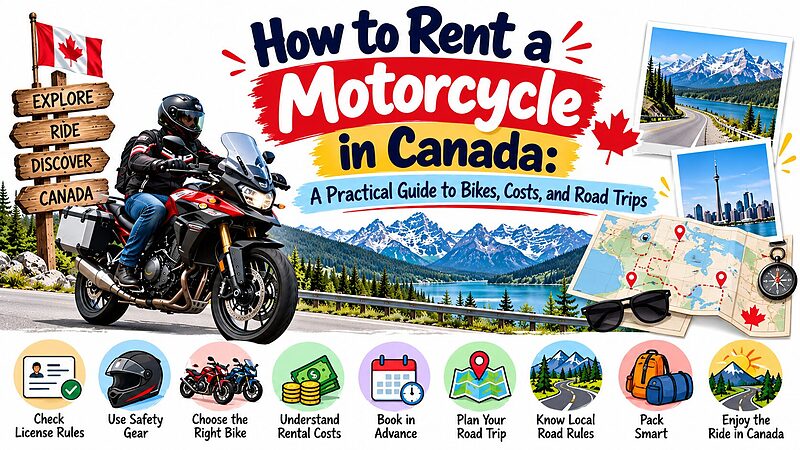
How to Rent a Motorcycle in Canada: A Practical Guide to Bikes, Costs, and Road Trips
Introduction
Exploring Canada on a motorcycle can turn an ordinary trip into a memorable adventure. You can enjoy open highways, quiet lakeside roads, mountain views, and charming towns along the way. However, a good ride starts with the right motorcycle and a clear plan.
Before you rent a motorcycle in Canada, think about your route, riding skills, budget, and travel dates. You should also check licence rules, insurance coverage, and rental conditions. These steps can help you avoid extra costs and travel with greater confidence.
This guide explains how to select a motorcycle, compare rental options, prepare for Canadian roads, and plan a trip that suits your needs.
1. Start With Your Travel Plans
Your travel plans should guide your motorcycle choice. A bike for short city rides may not suit a week-long journey through the mountains. Think about your daily distance, luggage, passenger needs, and road conditions before comparing models.
Find the Right Motorcycle Type
Different motorcycles suit different trips. Use this table to narrow your choices.
| Motorcycle type | Suitable trips | What to consider |
|---|---|---|
| Commuter bike | City travel and short rides | Check comfort, storage, and traffic handling |
| Sport bike | Short rides on paved roads | The riding position may strain your back and wrists |
| Touring bike | Long highway journeys | Check luggage space, seat comfort, and weight |
| Adventure bike | Paved roads and suitable gravel routes | Check seat height, weight, and your riding skills |
| Cruiser | Relaxed rides and scenic routes | Check turning ability, seat height, and handling |
These categories offer general guidance. Each model has different features and handling needs.
Choose a motorcycle that you can control with confidence. Check whether you can reach the handlebars, operate the controls, and manage the bike at low speeds. If possible, sit on the motorcycle before you confirm your booking.
Match the Bike to Your Experience
New riders should focus on comfort and control rather than engine power. A heavy motorcycle can become difficult to move in parking areas or on uneven ground.
Experienced riders may prefer a larger bike for long distances. Even so, a powerful engine does not guarantee a better trip. Your comfort, skill, and route matter more than the motorcycle's size.
2. Choose Your Canadian Riding Destination
Canada offers many types of riding experiences. Your destination will affect the motorcycle you need, the gear you carry, and the time you spend on the road.
Explore Toronto and Nearby Areas
Toronto offers urban attractions, waterfront views, and routes toward nearby towns and countryside. A manageable motorcycle can work well for shorter rides around the city.
However, traffic can slow your journey during busy hours. Plan your route before leaving and check parking rules at your destination. If you intend to travel outside Toronto, allow enough time for traffic and rest stops.
When comparing motorcycle rental Toronto options, check the pickup location, daily mileage allowance, and permitted travel area.
Discover Vancouver and Coastal Roads
Vancouver provides access to coastal scenery, forest roads, and mountain routes. The weather can change quickly, so prepare for rain, wind, and cooler temperatures.
A comfortable touring or adventure motorcycle may suit longer journeys, depending on your route and experience. Before leaving the city, check current road conditions and weather reports.
Mountain roads can include sharp turns, steep sections, and sudden changes in visibility. Choose routes that match your skills and allow extra time for stops.
Plan a Ride From Calgary
Calgary offers access to routes toward Alberta's mountain landscapes. These trips can include long highway sections, changing elevations, and roads with challenging bends.
Check road reports before travelling toward the Rockies. Look for construction, closures, weather alerts, and seasonal restrictions. Carry warm clothing because mountain temperatures can differ from those in the city.
A motorcycle rental Calgary search can help you explore local options. Confirm the bike's suitability for your route before making a booking.
3. Compare the Full Rental Cost
A low daily rate does not always mean a low total cost. Some rental agreements include extra charges that can affect your budget.
Before you book, check these possible expenses:
Daily or weekly rental fees.
Taxes and service charges.
Refundable security deposits.
Insurance costs and deductibles.
Helmet and protective gear fees.
Extra mileage charges.
Late return fees.
Fuel, parking, meals, and accommodation.
Rental prices vary by city, season, motorcycle model, and rental length. Check current quotes instead of relying on general price estimates.
Understand the Deposit
Some providers ask for a security deposit before you collect the motorcycle. They may use this amount to cover certain costs if you damage the bike or break the rental terms.
Ask how the provider collects the deposit and when it will release the funds. Also, check whether your payment card meets its requirements.
Check Mileage and Fuel Rules
Some providers allow unlimited mileage, while others set a daily limit. If you plan to cover long distances, calculate the possible extra charges before booking.
Read the fuel policy as well. Some providers expect a full tank at return. Others may follow a different arrangement. Confirm the return deadline, location, and late return rules.
4. Confirm Your Licence and Eligibility
Canadian motorcycle rules differ by province and territory. Your licence must allow you to operate the type of motorcycle you plan to rent.
A standard car licence does not usually give you motorcycle riding privileges. Check the local requirements before paying for a booking.
Rules for International Visitors
International visitors should check whether their licence permits motorcycle riding in their destination province. Requirements can depend on the licence's country of issue, class, language, and local rules.
An International Driving Permit may help explain your licence details. However, it does not replace your original licence or grant motorcycle privileges on its own.
Contact the relevant provincial authority and rental provider if you have questions. Confirm the documents you need before your travel date.
Check Age and Experience Conditions
Rental providers may set minimum age limits or require previous riding experience. These conditions can vary by motorcycle and company.
Ask about the exact bike you want to rent. Meeting the legal licence rules does not always mean you meet the provider's rental conditions.
5. Read the Insurance Terms Carefully
Insurance can affect your costs after an accident, theft, or damage. Never assume that the rental price covers every possible loss.
Ask the provider these questions before you sign:
What insurance does the rental include?
Does the policy cover third-party liability?
Can I add collision or theft protection?
How much must I pay after a covered claim?
Which activities or types of damage does the policy exclude?
Can another licensed rider use the motorcycle?
A deductible is the amount you must pay toward a covered claim. The amount depends on the policy and rental agreement.
Your personal car insurance may not cover rental motorcycles. Credit card protection may also exclude them. Contact your insurer or card provider to confirm the exact terms.
Read the full agreement and ask the provider to explain anything you do not understand.
6. Prepare Your Riding Gear
Good riding gear helps protect you from injury and changing weather. Canadian conditions can shift during the day, especially near the coast and in mountain areas.
Prepare these items before your trip:
A properly fitted motorcycle helmet that meets applicable safety standards.
Protective gloves.
A motorcycle jacket and riding trousers.
Sturdy boots that cover your ankles.
Waterproof clothing.
Warm layers for cool mornings and evenings.
Eye protection when needed.
A charged phone and a suitable navigation method.
Ask whether the provider offers helmets or other gear. Check the condition and fit of any rented equipment before leaving.
Avoid clothing that offers little protection during a fall. Also, do not rely on a sunny morning forecast for the entire day's ride.
7. Inspect the Motorcycle Before You Leave
Take a few minutes to check the motorcycle before starting your journey. This step can help you identify safety problems and document existing damage.
Follow this checklist:
Examine the bodywork. Look for scratches, dents, loose parts, and damaged mirrors.
Check the tyres. Look for visible damage, low tread, or other warning signs.
Test the lights. Check the headlight, indicators, and brake lights.
Check the controls. Make sure the brakes, clutch, and throttle work correctly.
Confirm the fuel level. Record the starting level and review the return policy.
Review the documents. Keep your rental agreement and required vehicle documents accessible.
Take photos. Record existing damage from several angles.
Tell the provider about any problems before you leave. Ask them to document existing damage in writing.
Do not ride if the motorcycle has a serious safety issue. Request help or another bike instead.
8. Build a Realistic Motorcycle Road Trip Plan
A successful motorcycle road trip needs more than a destination. You should plan your daily distance, fuel stops, rest breaks, and overnight stays.
Keep Daily Distances Manageable
Do not plan each day around the maximum distance you can ride. Traffic, roadworks, bad weather, and sightseeing can add hours to your journey.
Start with shorter rides if you have limited touring experience. Leave enough time for food, fuel, photos, and rest. A flexible schedule also helps when plans change.
Check Weather and Road Reports
Canadian weather varies by region and elevation. A warm day in the city can feel cold on a mountain road.
Check official road reports before departure. Look for construction, closures, poor road conditions, and severe weather alerts.
Remember that an open road may still challenge your riding skills. Rain, loose gravel, sharp bends, and low visibility require extra care.
Plan Fuel Stops and Emergency Supplies
Some rural and remote roads have long gaps between fuel stations. Check the distance between stops and refuel before your tank gets too low.
Carry water, basic first-aid supplies, and a charged phone. Save important contact details for your rental provider. For remote trips, tell someone your route and expected arrival time.
Pick Suitable Travel Dates
Summer often offers comfortable riding conditions on many Canadian routes. However, popular destinations may attract more visitors and higher rental demand.
Spring and autumn can bring cold weather and changing road conditions. Some mountain roads also face seasonal closures.
Check the forecast and local road reports for your travel dates. Do not assume that every route will suit every rider throughout the year.
9. Simple Ways to Make Renting Easier
A little preparation can save time and help you avoid unexpected problems.
Compare several motorcycles that match your route.
Read the rental agreement before paying.
Confirm the pickup time and location.
Check cancellation and rescheduling terms.
Ask whether the agreement allows travel across provincial borders.
Confirm passenger rules before carrying someone.
Ask how the provider handles breakdowns.
Save the provider's contact details.
Keep your booking confirmation and payment records.
Return the motorcycle on time and follow the fuel policy.
If you plan a long journey, discuss your route with the provider. Confirm any mileage limits and travel restrictions before departure.
You can also explore rental options through MotoShare.ca as part of your research. Review each current listing and its terms before making a decision.
10. Mistakes That Can Ruin a Motorcycle Trip
Small oversights can create costly or stressful problems. Watch out for these common mistakes.
Choosing a Bike for Looks Alone
A stylish motorcycle may feel uncomfortable or difficult to control. Focus on handling, seat height, weight, and your riding experience.
Ignoring the Fine Print
Insurance exclusions, mileage limits, and late return rules can increase your costs. Read the agreement and ask questions before you commit.
Planning Too Much in One Day
Long distances can leave you tired and reduce your attention. Allow time for traffic, rest stops, and unexpected delays.
Forgetting to Record Existing Damage
Without photos, you may struggle to explain the motorcycle's condition at pickup. Take clear pictures and report every visible problem.
Carrying the Wrong Clothing
Cold rain or strong winds can make a ride uncomfortable. Pack suitable layers and waterproof gear for your expected conditions.
Skipping Route Preparation
Remote roads may offer limited fuel, food, and phone coverage. Plan your stops and carry the supplies you need.
11. Safety and Legal Points to Remember
Before you start the engine, check the key details that can affect your trip.
Follow local laws. Confirm licence requirements, road rules, and mandatory safety equipment for your province or territory.
Adjust your riding. Keep a safe following distance and match your speed to road and weather conditions.
Watch for wildlife. Animals may cross rural roads without warning. Stay alert, especially near dawn and dusk.
Take mountain roads seriously. Check the weather and road surface before riding through steep or winding areas.
Prepare for emergencies. Carry essential supplies and understand the rental provider's breakdown process.
Protect your budget. Include fuel, accommodation, meals, gear, and possible extra rental charges in your travel plan.
Understand your responsibilities. Check the insurance policy, damage rules, and return conditions before you collect the motorcycle.
Good preparation cannot remove every risk. It can, however, help you make better choices and handle problems more calmly.
Frequently Asked Questions (FAQs)
1. Can visitors from other countries rent motorcycles in Canada?
Yes, visitors may qualify if they meet local licensing rules and the rental provider's conditions. Check your original licence, any required supporting documents, and age requirements before booking.
2. What type of licence do I need to rent a motorcycle?
You need a licence that permits motorcycle operation under the rules of the province or territory. A regular car licence usually does not provide this permission.
3. What affects motorcycle rental prices in Canada?
The motorcycle model, rental period, location, and season can affect the price. Taxes, deposits, insurance, mileage, and gear may also change the total cost.
4. Does the rental fee include insurance?
Not always. Coverage depends on the provider and agreement. Ask about liability protection, collision coverage, theft, exclusions, and deductibles before you sign.
5. Can a new rider rent a motorcycle?
Some providers may accept new riders who meet their licence and rental rules. Choose a motorcycle you can manage comfortably and begin with routes that match your ability.
6. Which motorcycle works best for long trips across Canada?
A touring motorcycle may suit long highway rides because many models offer comfort and luggage space. An adventure bike may suit some mixed-surface routes. Choose according to your route and experience.
7. Can I travel between provinces with a rental motorcycle?
The rental agreement determines whether you can cross provincial borders. Ask the provider about travel limits, insurance conditions, and any restrictions before you leave.
8. How can I find motorcycle rentals in Toronto, Vancouver, or Calgary?
Search for rental providers in your chosen city and compare their current options. Confirm the motorcycle model, pickup details, rental conditions, and eligibility requirements directly with the provider.
9. Should I bring my own helmet?
Bringing your own helmet can help you get a familiar fit. If you rent one, check its fit, condition, and compliance with applicable safety standards.
10. How do I check a motorcycle before a rental trip?
Inspect the tyres, brakes, lights, controls, mirrors, and bodywork. Take photos of existing damage and report any problems. Also, check the fuel level and required documents.
11. What should I do if the motorcycle breaks down?
Contact the rental provider and follow its breakdown instructions. Avoid unsafe repairs and ask for help if the motorcycle cannot continue safely. Check roadside assistance terms before your trip.
12. When should I plan a motorcycle road trip in Canada?
Summer often suits many popular routes, but conditions vary by location. Check local weather, road reports, and seasonal closures before choosing your travel dates.
Conclusion
A motorcycle trip across Canada can offer a fresh way to explore cities, lakes, forests, and mountain roads. The best experience starts with a motorcycle that fits your skills and travel plans.
Compare the full rental cost, check your licence, and understand the insurance terms. Inspect the bike before departure and prepare for changing weather. Plan fuel stops, rest breaks, and daily distances that leave room for unexpected delays.
Take time to review your options through MotoShare.ca and other suitable sources. Confirm the rental conditions directly before making a commitment. With a sensible plan and the right preparation, you can enjoy the road while making safer and more informed choices.
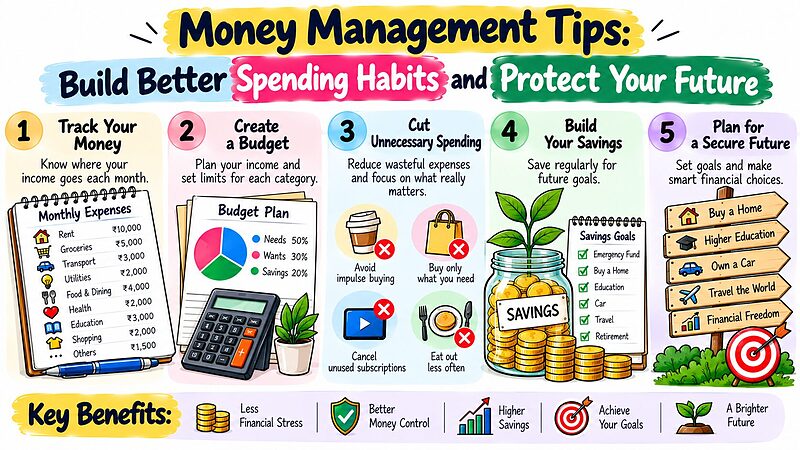
Money Management Tips: Build Better Spending Habits and Protect Your Future
Introduction
Good money management helps you feel more prepared for daily life. It gives you a way to handle bills, save for important goals, and face unexpected costs. You can start with a few simple changes, even if your income is small.
Many people struggle to save because they do not track their spending. Small purchases, monthly subscriptions, and sudden bills can use up money quickly. A clear plan helps you understand these costs and decide what to change.
You do not need a complicated system. Start by checking your income, listing your expenses, and setting a savings goal. Review your progress each month. MoneyVoid focuses on helping people understand their expenses and recurring costs through its intended money management approach. Check its current service details before relying on specific features.
1. Understand Your Financial Starting Point
Before making changes, learn how much money you receive and where it goes. This gives you a clear starting point for your financial plan.
Write down your monthly take-home income. Include regular income that you can reasonably expect. If your earnings change each month, use a careful estimate based on past income.
Next, list your expenses. Include rent, groceries, transport, phone bills, school costs, debt payments, and personal spending.
For example, imagine you earn ₹35,000 each month. Your regular expenses total ₹27,000. You have ₹8,000 left for savings, optional spending, and unexpected costs.
Use your real figures rather than estimates whenever possible. Check bank statements, bills, and payment records to find missing expenses.
Review your financial position at the end of each month. This helps you notice changes before they become difficult to manage.
2. Set Goals for Your Money
A clear goal can help you make better financial choices. It gives you a reason to save instead of spending every rupee.
Think about what you want to achieve. You may want to build an emergency fund, pay off debt, support your child's education, or buy something important.
Choose a target amount and a date. Then calculate how much you need to save each month.
For example, a ₹24,000 goal over twelve months requires ₹2,000 each month. If that amount does not fit your budget, choose a longer timeline.
Focus on the goals that matter most. You can work on smaller goals after you build a stable financial base.
Review your goals when your income or family needs change. A useful plan should match your current situation.
3. Plan Your Spending Before the Month Begins
A monthly budget helps you decide how to use your income. It also makes it easier to spot costs that need attention.
Start by dividing your money into four groups:
Essential needs: Housing, food, transport, and important bills.
Personal wants: Shopping, entertainment, and optional services.
Savings: Money for emergencies and future goals.
Debt payments: Required loan payments and extra repayments.
You can use the 50/30/20 rule as a starting guide. It suggests putting 50% of your income toward needs, 30% toward wants, and 20% toward savings and debt reduction.
For a monthly income of ₹35,000, this guide suggests ₹17,500 for needs, ₹10,500 for wants, and ₹7,000 for savings and debt reduction.
Your real costs may require a different split. Rent, health expenses, and family duties can affect your budget.
Set limits that fit your life. Review them each month and make changes when necessary.
4. Find Ways to Spend Less
Small purchases can take up more money than you expect. Regular snacks, online orders, and delivery charges can add up over time.
Suppose you spend ₹100 on unplanned purchases each day. Over 30 days, that habit costs ₹3,000.
You can reduce these costs without giving up everything you enjoy. Try these simple steps:
Make a shopping list before buying groceries.
Compare prices before ordering online.
Set a weekly limit for optional purchases.
Avoid buying things only because they are on sale.
Wait 24 hours before making an unplanned purchase.
Check delivery fees and other extra charges.
Review your spending after a few weeks. Keep the changes that work and adjust those that feel too difficult.
Use the money you save for an important goal. This makes each spending change more useful.
5. Make Saving a Regular Habit
Saving works best when you plan for it in advance. If you wait until the end of the month, other expenses may use up your money.
Choose a monthly amount that fits your budget. Set it aside after you receive your income, once you have planned for essential costs and required payments.
Saving ₹500 each month gives you ₹6,000 over one year before interest or withdrawals. Saving ₹2,000 each month gives you ₹24,000 over the same period.
Start with a small amount if needed. You can increase it when your income grows or your costs fall.
Give your savings a clear purpose. You might save separately for emergencies, education, repairs, or a planned purchase.
Check your progress every month. Regular saving can help you build confidence and prepare for future needs.
6. Prepare for Unexpected Expenses
Life does not always follow your budget. A medical need, urgent repair, or loss of income can create sudden costs.
An emergency fund helps you handle these situations. It may also reduce your need to borrow money when you face a difficult period.
Start with a small target, such as ₹5,000. Then work toward three to six months of essential living costs, based on your needs and income stability.
Keep this money separate from your daily spending funds. Choose a safe place where you can access it when necessary.
Use the fund for genuine emergencies. Planned shopping and regular bills should remain part of your normal budget.
If your income is limited, save small amounts whenever possible. Even a modest fund can provide some support during a crisis.
7. Review Monthly Subscriptions and Payments
Recurring payments can quietly reduce your available money. These may include streaming services, mobile plans, gym memberships, cloud storage, and software.
You may still pay for a service that you rarely use. Some services also renew after a free trial ends.
Check your bank statements, card records, and app subscriptions. Review email receipts to find payment dates and costs.
Create a list that includes the service name, price, renewal date, and reason for keeping it.
For example, a service that costs ₹299 each month costs ₹3,588 over a year. Three unused services at that price would cost ₹10,764 annually.
Cancel services that no longer provide enough value. Keep those that support your work, learning, or daily needs.
MoneyVoid focuses on expense awareness and recurring cost management as part of its intended direction. Confirm its current features before relying on any specific service.
8. Save for Bills That Come Once a Year
Some bills arrive only once or twice a year. These may include insurance premiums, school fees, yearly memberships, and vehicle expenses.
People often forget these costs when they make a monthly budget. This can create pressure when the payment becomes due.
List your expected yearly bills. Divide each amount by twelve and save that amount every month.
For example, if your annual insurance costs ₹12,000, save ₹1,000 each month. You will have the planned amount ready when the bill arrives.
Use a calendar to record payment dates. Set reminders before each due date so you have time to prepare.
This approach works for other planned expenses too. Regular preparation can make large bills easier to manage.
9. Choose a Debt Repayment Strategy
Debt can reduce the money you have for savings and daily needs. Interest charges can also make borrowing more expensive over time.
Start by listing each debt. Record the amount you owe, interest rate, minimum payment, and due date.
Then choose a repayment method.
Highest-interest method: Make every required payment and direct extra money toward the debt with the highest interest rate. This can reduce the total interest you pay.
Smallest-balance method: Make every required payment and direct extra money toward the smallest debt. Clearing a balance may help you stay motivated.
Choose a method that you can follow. Keep required payments up to date and avoid borrowing more for optional purchases.
If you expect difficulty with a payment, contact your lender early. Ask about possible options before the situation becomes worse.
10. Plan for Income That Changes
Freelancers, small business owners, and independent workers may not earn the same amount every month. They need a budget that can handle changes in income.
Begin by calculating your essential monthly costs. Include housing, food, transport, bills, and required debt payments.
Use a cautious income estimate for regular spending. Do not make long-term commitments based on one unusually strong month.
When you earn more than expected, save some extra money. This can help cover expenses during slower periods or when customers pay late.
Review your earnings each month. Look for patterns that help you prepare for future changes.
If you run a business, keep personal and business money separate. This makes it easier to understand your actual earnings and operating costs.
11. Watch Your Business Cash Flow
A business needs enough cash to pay bills and continue its daily work. Sales alone do not show whether the business has enough money available.
Track the money coming in and going out. Include salaries, rent, software, supplies, advertising, and loan payments.
Two terms can help you understand your cash position.
Burn rate measures how quickly a business uses cash over a set period.
Cash runway estimates how long the available cash may last if the current rate of cash loss continues.
Suppose a startup has ₹12 lakh in cash. It spends ₹2 lakh more than it earns each month. Its simple estimated runway is six months.
This estimate assumes the monthly cash loss stays steady. Changes in revenue, costs, or funding can affect the result.
Review cash flow regularly. Reduce waste where possible, but protect the spending that helps your business serve customers.
12. Keep Digital Payments Safe
Digital payments make daily tasks quick and convenient. However, scammers may use fake calls, messages, links, and payment requests to steal money.
Protect yourself with these simple steps:
Never share your UPI PIN or bank password.
Check the receiver's details before sending money.
Never enter your UPI PIN to receive money.
Avoid unknown links that ask for banking information.
Do not install apps at an unknown caller's request.
Turn on bank transaction alerts.
Check your account for unfamiliar payments.
If you notice fraud, contact your bank or payment provider immediately. In India, call 1930 to report financial cyber fraud. You can also report the incident through the official National Cyber Crime Reporting Portal.
Quick reporting may help the response process, but it does not guarantee a refund. Keep your transaction details and complaint records.
Use trusted services and protect your personal information. Read privacy terms before sharing financial data with any tool.
13. Choose a Money Tracking Method
A tracking tool can help you keep your financial records in one place. However, you do not need an expensive app to begin.
You can use a notebook for basic records. A spreadsheet may help you compare expenses. A suitable budgeting app may offer other tracking options.
Choose a method that helps you review:
Monthly income.
Daily and monthly expenses.
Upcoming bills.
Savings progress.
Debt balances.
Recurring payments.
Update your records each week. At the end of the month, compare your actual spending with your budget.
MoneyVoid aims to help people understand their expenses and recurring costs. Treat this as its intended focus, not proof that every feature is currently available.
A tracking tool supports your decisions. You still need to check the figures and choose the right changes.
Frequently Asked Questions (FAQs)
1. How can I improve my money management?
Start by listing your income and expenses. Create a realistic budget and review your spending every week.
2. How can I reduce unnecessary spending?
Track small purchases and set limits for optional costs. Compare prices and avoid buying items you do not need.
3. How much money should I save each month?
Choose an amount that fits your income and essential costs. Start small and increase it when your budget allows.
4. What does a monthly budget help me do?
A budget helps you plan spending, prepare for bills, and set money aside for future goals.
5. Why should I build an emergency fund?
It helps you cover unexpected costs and may reduce your need to borrow money during difficult times.
6. How do I find subscriptions I no longer use?
Review bank statements, card records, app subscriptions, and email receipts. Cancel services that no longer provide enough value.
7. How can I prepare for annual bills?
List your yearly expenses and divide each amount by twelve. Save that amount monthly so you can pay each bill on time.
8. Which debt should I repay first?
You can focus on the debt with the highest interest rate or the smallest balance. Keep making every required payment.
9. How can I manage an irregular income?
Build your budget around essential costs and a cautious income estimate. Save extra money during stronger months.
10. What is cash runway in business?
Cash runway estimates how long a business can continue using its available cash at the current rate of cash loss.
11. What should I do if I face UPI fraud?
Contact your bank or payment provider immediately. In India, call 1930 and report the incident through official cybercrime channels.
12. What does MoneyVoid focus on?
MoneyVoid focuses on expense awareness and recurring cost management. Check its current service details to confirm which features are available.
Final Thoughts
Better financial habits begin with clear records and realistic goals. Track your spending, plan your bills, and save regularly. Small changes can help you use your income more wisely.
Prepare for emergencies and review your subscriptions. Follow a debt repayment plan that fits your situation. If you run a business, check your cash position often.
Protect your payment details and report suspicious activity quickly. Review your budget each month and adjust it when your needs change. Start with one practical step today and build from there.
Things to Do in Jaipur: Discover Events, Attractions, Food, and Weekend Ideas

Introduction
A good Jaipur plan can start with one simple idea. You may want to explore history, enjoy food, attend a live event, or learn a new skill. You may also want a relaxed day with family or friends.
Jaipur gives you many choices for every type of outing. Tourists can explore famous attractions and local areas. Families can choose cultural places and easy activities. Students can find workshops and events that match their interests. Friends can plan music, comedy, food, or evening activities. This guide shares practical ways to find things to do in Jaipur. It also explains how to check events, compare options, buy tickets, and plan short trips.
Decide What Kind of Day You Want
Your first step should focus on the experience. Decide what you want to enjoy before searching for places or events.
You may want a cultural day with heritage visits. You may prefer food and shopping. You may want to attend a concert or comedy show. You may also want a quiet evening with friends.
Your time will shape your choices. A few hours may suit one main activity. A full day allows two or three stops. A weekend gives you more room for travel.
Your budget matters too. Include tickets, transport, food, and other costs. This helps you choose realistic options.
Explore Jaipur Through Live Events
Events can make your regular plans more exciting. Jaipur offers different event types for many interests.
Music lovers can search for concerts and live performances. Comedy fans can look for stand-up shows and other comedy events. Theatre can suit people who enjoy live storytelling.
Workshops can provide a hands-on activity. Topics may include cooking, art, photography, crafts, writing, technology, business, or wellness.
You can also find festivals, exhibitions, food events, sports activities, and cultural programs. Each event can need different planning. Check the date, venue, time, ticket details, and entry rules before booking.
How to Check Jaipur Events This Weekend
Weekend events can change at short notice. You should check current information before making a firm plan.
Start by checking event listings for your preferred date. Filter the choices by location and event type. This can reduce the number of options you need to review.
Then check the official event page when possible. Look for the latest date, time, venue, and ticket details. Review the organiser or venue page too.
Do not assume that an old listing remains correct. Ticket availability can also change. If you cannot verify a detail, do not present it as confirmed.
Turn Jaipur Attractions Into a Day Plan
You can enjoy Jaipur without attending a scheduled event. The city has many places that can form the main part of your outing.
Hawa Mahal can suit visitors who enjoy architecture. Amber Fort can offer a larger heritage experience. City Palace can help visitors explore Jaipur's royal history.
Jantar Mantar can interest people who enjoy science and history. Jal Mahal can add a scenic stop. Nahargarh Fort can provide a hilltop experience.
Museums and markets can also add variety. Choose places that match your time and interests. Check current visitor information before travelling.
Find the Right Places for Your Group
Your group can change the way you plan your day. A family may need more breaks. Friends may prefer entertainment and food.
Tourists with limited time may want major attractions. Students may prefer workshops, markets, or cultural events. History fans may want more time at forts and museums.
Food lovers can add local meals to their route. Photography fans can focus on architecture and local streets.
You do not need to see everything. Choose a few places that fit your route. This can help you enjoy each stop without rushing.
Add Food and Markets to Your Route
Food can become an important part of your Jaipur experience. You can plan a meal before an event or after sightseeing.
You can also explore local markets between activities. Markets can offer crafts, clothing, food, gifts, and other local products.
Try to keep these stops flexible. A meal may take longer than expected. Shopping can also change your schedule.
Check current timings before visiting a specific place. Do not build your entire day around information that may have changed.
Compare Jaipur Experiences
A quick comparison can help you choose an activity that fits your needs.
| Experience Type | Suitable For | Things to Check |
|---|---|---|
| Heritage visit | Tourists and history lovers | Current hours, entry rules, route |
| Concert | Music fans | Artist, date, venue, ticket terms |
| Comedy show | Friends and comedy fans | Performer, timing, age rules |
| Workshop | Students and hobby seekers | Topic, level, fee, materials |
| Food experience | Food lovers | Location, timing, booking |
| Cultural event | Families and visitors | Date, venue, schedule |
| Evening activity | Friends and adults | Entry rules, transport, timing |
| Weekend trip | Travellers and families | Weather, travel details, local rules |
Your needs should guide the final choice. Do not select an activity only because it looks popular.
Check Event Tickets Before Paying
A ticket purchase should always include a quick review. Read the details before you make payment.
First, check the ticket category. Some categories may offer different access or seating. Then review entry rules and age limits.
Next, read the refund and cancellation policy. Some tickets may have strict conditions. Make sure you understand the terms.
Save your confirmation after payment. Keep the booking details with the event information. Check them again before leaving for the venue.
Plan Your Concert Visit
Concerts can make a fun outing with friends or family. They can also need more travel planning.
Check the artist, date, start time, and venue. Review ticket categories and entry conditions. Check age rules if the event has them.
Think about your travel route before the event. Large gatherings may create traffic or longer entry lines. Leave extra time when needed.
You should also plan your return journey. Confirm the latest official event details before travelling.
Choose a Comedy Show With Care
A comedy show can offer an easy evening activity. Jaipur may have different formats, including stand-up, open mics, and theatre comedy.
Check the performer and show format first. Then review the date, time, venue, and ticket terms.
Some shows may have age restrictions. Check these rules before booking. Also look at venue instructions.
If you plan dinner before or after the show, keep enough time between activities. A simple evening plan can feel more relaxed.
Try a Workshop in Jaipur
A workshop can help you use your free time in a useful way. It can also introduce you to a new interest.
You may find workshops about cooking, art, photography, crafts, writing, technology, business, or wellness.
Check the skill level before you book. Review the duration, fee, and location. Find out if the workshop includes materials.
Some sessions may ask you to bring certain items. Others may provide everything you need. Check the latest registration details before payment.
Enjoy Jaipur in the Evening
Jaipur offers many ways to enjoy an evening. You do not need to limit your plans to one type of nightlife.
You can choose restaurants, cafes, live music, cultural performances, evening markets, and social events.
Your choice should suit your group. Check current opening hours and entry rules before visiting.
Plan your transport before the evening starts. Follow local traffic rules and venue instructions. Avoid unsafe travel choices.
Look Beyond the City for a Weekend
A short getaway can add something different to your weekend. You can choose the type of trip based on your interests.
Some travellers may prefer heritage sites. Others may want nature, wildlife, forts, cultural places, or a quiet stay.
Before you leave Jaipur, check current travel information. Road conditions and travel times can change. Weather can also affect outdoor activities.
Check local opening information and entry rules before visiting. Avoid adding too many destinations. A simple route can make the trip more enjoyable.
Follow an Easy Planning Process
You can turn an idea into a real plan with eight simple steps.
Search → Filter → Check → Compare → Book → Plan → Attend → Explore
Search
Find events, attractions, workshops, food experiences, and other activities.
Filter
Remove options that do not match your date, budget, location, or interests.
Check
Confirm current event details, venue information, ticket terms, and entry rules.
Compare
Look at price, travel needs, timing, duration, and group suitability.
Book
Book only after you understand the ticket conditions.
Plan
Arrange transport and leave extra time for delays.
Attend
Carry your booking confirmation and follow venue rules.
Explore
Use free time to discover nearby attractions, markets, or food options.
This process can help you make better choices. It also reduces last-minute stress.
Keep a Weekend Checklist
| Planning Step | What to Check |
|---|---|
| Search | Events, attractions, workshops, and activities |
| Filter | Date, budget, location, and interests |
| Check | Current event, venue, and ticket details |
| Compare | Cost, travel, timing, and duration |
| Book | Ticket category and booking terms |
| Plan | Route, transport, weather, and extra time |
| Attend | Confirmation and entry instructions |
| Explore | Nearby food, markets, or attractions |
You can use this checklist for a short outing. It can also help when planning a full weekend.
Common Mistakes to Avoid When Planning Jaipur Events and Activities
Small mistakes can affect your entire outing. One common mistake involves using old event information. Always check current details before travelling.
Another mistake involves ignoring the venue location. A long journey can affect the rest of your schedule. Check the route before you book.
Do not assume that tickets always allow refunds. Read the cancellation policy before payment. Also check age and entry rules.
Avoid putting too many activities into one day. Travel, queues, and meals can take time. Leave some space between stops.
Outdoor activities need weather checks. Weather can affect comfort and travel. Check current conditions when they matter.
Finally, confirm everything before leaving home. Check the event date, time, venue, and booking details again.
How JaipurOrbit.com Can Help
Finding suitable events can take time. JaipurOrbit.com can help users discover different city experiences.
Users can explore concerts, comedy shows, workshops, festivals, nightlife, and other activities. They can also discover places to visit and weekend experiences.
The platform supports event discovery and ticketing. Users should still check the final event information before payment.
Event organisers can also use JaipurOrbit.com for event publishing and ticketing when relevant. The platform can support the wider discovery process.
Practical Jaipur Planning Scenarios
A Family Planning a Sunday
A family may want a calm day with limited travel. They can choose one main attraction and one suitable activity.
They should check current entry rules and visitor details. A meal can then become a simple addition to the day.
A Student Looking for a Workshop
A student may want to learn something new. A workshop can offer both learning and social time.
The student should compare the topic, skill level, fee, duration, location, and material needs. They should check current registration information before booking.
A Tourist With One Free Day
A tourist may want to see important places and enjoy an event. They can choose one major attraction and one evening activity.
They should select places that fit the same route. This can reduce travel and leave more time for exploring.
Friends Planning a Night Out
Friends may want food and entertainment. They can compare concerts, comedy shows, or other evening events.
They should check venue rules and event timing. They should also plan a safe way home.
Verify Information Before You Leave
Current information should guide your final plan. Event details can change after publication. Venue schedules can also change.
Check official event pages when possible. You can also review information from the organiser, venue, or trusted ticketing platform.
For attractions, check current opening hours and entry rules. For weekend trips, review travel information and weather.
Do not guess when a detail affects your plan. If you cannot verify it, do not treat it as confirmed. This simple habit can prevent avoidable problems.
Frequently Asked Questions
What are the best things to do in Jaipur?
The right choice depends on your interests and time. You can explore forts, palaces, museums, markets, food experiences, workshops, concerts, comedy shows, and cultural events. You can also plan an evening outing or short trip. Choose a few activities that fit your route. Check current information before visiting or booking.
How can I find Jaipur events this weekend?
Start with current event listings and official event pages. Filter the results by date, location, and event type. Then check the organiser or venue for updates. Review ticket information before travelling. Do not rely on old listings alone. Dates, venues, timings, and ticket details can change before the event.
Which places can I visit in Jaipur?
You can explore Hawa Mahal, Amber Fort, City Palace, Jantar Mantar, Jal Mahal, and Nahargarh Fort. Museums and markets can also add variety. Choose places based on your interests and available time. Avoid packing too many stops into one day. Check current opening and entry information before visiting.
How do I find event tickets in Jaipur?
Check official event pages, organisers, venues, and trusted ticketing platforms. Confirm the event date and venue first. Then review ticket categories, entry rules, age limits, refund terms, and cancellation policies. Read the final details before payment. Save your confirmation and check the event information again before travelling.
What should I check before attending concerts in Jaipur?
Check the artist, date, venue, start time, and ticket category. Review entry conditions and age rules when needed. Plan your travel route and return journey. Large concerts may require extra time for traffic and entry. Always confirm the latest official information before leaving home.
How can I find comedy shows in Jaipur?
Search for stand-up shows, open mics, and theatre comedy. Compare the performer, format, date, venue, timing, and ticket terms. Check age restrictions before booking. Confirm the latest information with the organiser or venue. This can help you choose an event that fits your group and schedule.
What should I check before joining workshops in Jaipur?
Look at the workshop topic and skill level first. Then check the duration, fee, location, and materials. Some sessions may provide materials. Others may ask you to bring your own items. Choose a workshop that matches your interests. Check current registration details before making payment.
What can I do for nightlife in Jaipur?
You can enjoy restaurants, cafes, live music, cultural performances, markets, and social events. Choose an option that suits your group. Check current opening hours and entry rules before visiting. Plan safe transport and follow venue instructions. Special events may use different timings, so verify the latest information.
Where can I plan a weekend getaway from Jaipur?
You can choose heritage, nature, wildlife, cultural, fort, or relaxing trips. Your available time should guide the choice. Check current travel information before leaving Jaipur. Review weather, road conditions, local timings, and entry rules when needed. Keep your route simple so you can enjoy the destination without rushing.
How can I plan a Jaipur outing with friends or family?
Start with one main activity. Then add one or two nearby experiences. Check the date, time, location, cost, and travel needs. Review entry rules before booking. Leave enough space between activities for travel and breaks. This approach can help your group enjoy the outing without following a rushed schedule.
How do I choose the right Jaipur event?
Think about your interests, budget, group, location, and available time. Then compare the event date, duration, venue, ticket cost, and entry rules. Check the latest details before booking. The right event depends on your needs. You do not need to choose an event simply because it receives attention online.
How can I check current Jaipur event information?
Use official event pages, organisers, venues, and trusted ticketing platforms. Confirm the date, time, venue, ticket status, and entry rules. Avoid relying only on old social posts. If you cannot verify an important detail, do not assume it is correct. Use general planning advice until reliable information becomes available.
Final Thoughts
Jaipur gives you many ways to enjoy a free day or weekend. You can explore heritage sites, attend live events, join workshops, visit markets, enjoy food, or take a short trip. Start by deciding what kind of experience you want. Then compare options based on time, budget, location, and group needs. Check current event and travel information before making your final plan. Read ticket rules and venue instructions before booking. You can also combine an event with nearby sightseeing. JaipurOrbit.com can help you discover Jaipur events and city experiences. Keep your plan simple, leave room for changes, and enjoy the city at a comfortable pace.
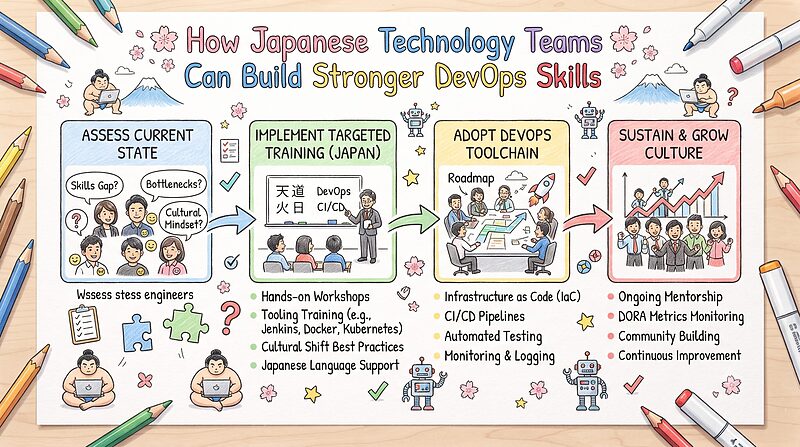
How Japanese Technology Teams Can Build Stronger DevOps Skills
Introduction
A modern technology team has many jobs to handle. It must build software, manage infrastructure, protect systems, and keep services running. It must also respond to changes without making daily work harder.
DevOps gives teams a way to connect these tasks. It combines development, operations, automation, security, and reliability into one working approach.
But DevOps does not start with a tool. It starts with people who understand the work and know how to improve it.
That is why training and consulting matter. DevOps training builds practical skills. Consulting helps teams solve problems in their own environments. Technical support helps them keep systems running after changes.
DevOpsSchool.jp supports these areas for organizations working with modern technology in Japan. Its focus includes DevOps, Kubernetes, Terraform, SRE, DevSecOps, MLOps, cloud systems, and automation.
Start With a Clear Technical Goal
Before choosing a course or consultant, define the problem.
A team may struggle with slow releases. Another team may manage cloud resources manually. A production group may have too many alerts.
These situations need different skills.
| Team Need | Useful Area |
|---|---|
| Better software delivery | DevOps |
| Container operations | Kubernetes |
| Infrastructure automation | Terraform |
| Production reliability | SRE |
| Security in delivery | DevSecOps |
| Machine learning operations | MLOps |
This simple comparison can help teams avoid unnecessary training.
DevOps Connects the Full Delivery Process
DevOps brings development and operations closer together.
Instead of treating software development and system operations as separate jobs, teams share responsibility for delivery and reliability.
A DevOps process may include:
Source control
Automated testing
CI/CD
Infrastructure as code
Cloud management
Monitoring
Security checks
Incident response
Automation
Team collaboration
DevOps includes CI/CD, but the two terms do not mean the same thing.
CI/CD mainly automates software build, test, and delivery tasks. DevOps also covers culture, processes, operations, infrastructure, security, and feedback.
The difference matters when a company plans its training or consulting work.
DevOps 研修 Builds a Common Skill Base
DevOps 研修 gives teams a structured way to learn modern engineering practices.
A course may introduce Git, CI/CD, containers, cloud services, automation, testing, monitoring, and deployment.
Technical learning works better when people practice.
For example, learners can create a small pipeline. They can test code, automate a deployment, and review the result.
These exercises make abstract ideas easier to understand.
Team-based training can also help employees use the same terms and processes. This can improve communication between developers, operations engineers, and technical managers.
What Makes DevOps Training Useful?
A useful course should match the team's actual work.
Companies should consider:
Employee experience
Technical roles
Current tools
Existing systems
Learning goals
Practical exercises
Future projects
A beginner may need basic Git and CI/CD skills. An experienced platform engineer may need advanced Kubernetes or infrastructure work.
The same course does not suit every team.
DevOps コンサルティング Helps With Real Systems
Training teaches concepts. DevOps コンサルティング focuses on applying them.
A consultant can review a company's existing setup. The review may cover pipelines, cloud infrastructure, automation, monitoring, security, or reliability.
The consultant can then help the team identify useful changes.
For example, a company may have a working CI/CD pipeline but still rely on manual infrastructure changes. The team could focus its next improvement on infrastructure as code.
Consulting should solve a defined problem. It should not introduce tools simply because they are available.
Training and Consulting: A Simple Comparison
| Area | Training Focus | Consulting Focus |
|---|---|---|
| DevOps | Delivery and automation skills | Delivery process improvement |
| Kubernetes | Container management | Platform design and operations |
| Terraform | Infrastructure as code | Infrastructure automation |
| SRE | Reliability practices | Production reliability |
| DevSecOps | Security skills | Secure engineering workflows |
| MLOps | ML operations skills | ML system processes |
Training develops people. Consulting supports technical decisions and implementation.
Many organizations can use both at different stages.
Kubernetes 研修 for Container-Based Systems
Kubernetes helps teams manage container workloads.
Kubernetes 研修 can introduce pods, deployments, services, configuration, storage, networking, scaling, and monitoring.
Training should also include troubleshooting. Engineers need to know what happens when applications fail, resources become limited, or configurations cause problems.
Kubernetes and Docker have different roles.
Docker helps teams build and run containers. Kubernetes manages container workloads across machines.
Understanding this difference can help teams plan their learning path.
Terraform 研修 for Infrastructure Automation
Terraform 研修 teaches engineers to describe infrastructure with code.
Instead of creating every resource manually, teams define infrastructure in configuration files.
Training may cover:
Providers
Resources
Variables
Outputs
Modules
State
Planning
Applying changes
Terraform mainly manages infrastructure resources.
Configuration management tools often focus on software and settings inside machines.
Teams may use both approaches when their environment needs them.
SRE 研修 for Reliable Services
SRE stands for Site Reliability Engineering.
SRE 研修 teaches teams how to manage reliability with clear methods and measurements.
Topics may include:
Service level indicators
Service level objectives
Error budgets
Monitoring
Alerting
Incident response
Automation
SRE shares many ideas with DevOps.
DevOps covers the wider software delivery and operations model. SRE puts stronger focus on keeping production services reliable.
Teams can use both approaches together.
DevSecOps 研修 for Secure Delivery
Security needs to follow software throughout its lifecycle.
DevSecOps places security inside development and delivery work.
DevSecOps 研修 may include secure coding, dependency checks, secrets, access control, container security, and automated security tests.
The goal is to make security part of normal engineering work.
Developers can learn basic security practices. Operations teams can manage secure infrastructure. Security teams can work with both groups earlier.
MLOps 研修 for Machine Learning Systems
Machine learning systems create extra operational work.
Teams need to manage models, data, experiments, versions, deployment, and monitoring.
MLOps organizes these activities.
MLOps 研修 can cover model pipelines, model deployment, model versioning, monitoring, automation, and data workflows.
MLOps follows many DevOps principles. It also adds practices that address the special needs of machine learning systems.
The Main Training Paths
| Training Area | Main Skills | Typical Use |
|---|---|---|
| DevOps | CI/CD, automation, teamwork | Software delivery |
| Kubernetes | Containers, orchestration, scaling | Container platforms |
| Terraform | Infrastructure as code | Cloud infrastructure |
| SRE | Monitoring, reliability, incidents | Production systems |
| DevSecOps | Security, testing, access | Secure delivery |
| MLOps | Models, pipelines, monitoring | ML operations |
DevOps Corporate Training Japan
DevOps corporate training Japan can help companies build skills across an internal team.
A company can select topics based on its projects.
Developers may study CI/CD. Cloud engineers may focus on Kubernetes and Terraform. Operations teams may need SRE and monitoring skills.
Corporate training can also use examples that reflect internal workflows.
Managers should define the desired learning outcome before the course starts.
This gives trainers a clear target and helps employees connect learning with their daily tasks.
DevOps Consultant Japan: Choosing the Right Partner
A DevOps consultant Japan service can support organizations during technical changes.
Before selecting a consultant, companies should ask:
What technical problem will the consultant solve?
What experience matches the project?
How will the consultant review the current system?
How will the team receive documentation?
How will internal engineers learn from the work?
What support will remain after implementation?
Technical knowledge matters, but communication matters too.
The consultant should explain technical choices in language that the internal team can understand.
DevOps Support Japan for Ongoing Work
Implementation does not always end the technical challenge.
Teams may need help after a new pipeline, cloud system, or platform goes live.
DevOps support Japan may cover:
CI/CD troubleshooting
Cloud infrastructure
Kubernetes operations
Terraform issues
Monitoring
Automation
Reliability work
Companies should define support responsibilities clearly.
Internal engineers should still own important systems whenever possible.
A Practical Selection Method
Companies can use five steps.
Step 1: Describe the Problem
Write the issue in simple words.
Step 2: Find the Skill Gap
Decide what employees need to learn.
Step 3: Choose Training or Consulting
Use training for skill building. Use consulting for specific technical problems.
Step 4: Start Small
Test new practices with a manageable project.
Step 5: Review the Results
Check what improved and what still needs work.
This process keeps DevOps work focused.
Twelve Problems Teams Should Avoid
1. Starting With a Tool
Define the problem before selecting technology.
2. Ignoring Existing Skills
Course difficulty should match the learners.
3. Treating DevOps as a Single Product
DevOps describes a way of working, not one product.
4. Focusing Only on Speed
Reliable and secure delivery also matters.
5. Leaving Security Until Release
Security should appear throughout the delivery process.
6. Adding Too Many Tools
Extra tools create extra learning and maintenance work.
7. Skipping Practice
Technical skills need hands-on learning.
8. Ignoring Monitoring
Teams need useful system information.
9. Making Large Changes at Once
Small changes are easier to test.
10. Copying Another Organization
A solution should match the company's environment.
11. Removing Internal Engineers From Decisions
Employees need ownership and understanding.
12. Stopping After Implementation
Teams should keep reviewing and improving their work.
A Simple DevOps Adoption Cycle
A practical cycle can look like this:
Understand → Plan → Train → Practice → Implement → Measure → Improve → Support
Understand: Review systems, processes, skills, and problems.
Plan: Select clear goals and a manageable scope.
Train: Teach the skills needed for the project.
Practice: Test the skills through labs or small projects.
Implement: Apply the useful practices to real work.
Measure: Review delivery, reliability, security, and operations.
Improve: Adjust processes based on what the team learns.
Support: Use specialist help when internal teams need it.
Teams can repeat this cycle as their technology changes.
Realistic Use Cases
A Team With Manual Releases
A Japanese software team may handle releases through several manual steps.
DevOps 研修 can teach the team CI/CD and automation. Engineers can then create a small pipeline for one application.
The team can improve the pipeline after testing it in daily work.
A Company Preparing for Kubernetes
An enterprise may want to move applications into containers.
Engineers can start with Kubernetes 研修. They can learn deployments, services, configuration, scaling, and basic troubleshooting.
Consulting can help the company review its architecture before wider implementation.
A Cloud Team Managing Resources by Hand
A cloud team may create resources manually.
Terraform 研修 can teach infrastructure as code. Engineers can begin with a small environment and learn how Terraform plans and applies changes.
The team can expand its use after gaining practical experience.
A Team Working on Reliability
A production team may receive many alerts without clear priorities.
SRE 研修 can teach reliability measures and incident practices.
Engineers can then review alerts and focus on signals that provide useful information.
How DevOpsSchool.jp Fits Into the Process
DevOpsSchool.jp provides training and technical services for organizations working with modern engineering practices.
Its areas include DevOps, Kubernetes, Terraform, SRE, DevSecOps, MLOps, cloud technologies, automation, and reliability.
Companies can use training to strengthen internal skills. They can use consulting when they need help with specific technical work. Implementation and support can help teams during later stages.
The right combination depends on the team's goals, systems, skills, and project needs.
FAQs About DevOps Training and Consulting
1. What is the main goal of DevOps training?
DevOps training helps employees understand better ways to build, test, release, and operate software. Courses may cover CI/CD, automation, cloud systems, containers, monitoring, and teamwork. Practical exercises can make the lessons easier to apply. Companies should select training that matches employee roles and current technical needs.
2. What can employees learn in DevOps 研修?
DevOps 研修 can teach source control, CI/CD, automation, containers, cloud platforms, testing, monitoring, and delivery practices. The course depth depends on the learners. Beginner programs focus on basic concepts. Advanced programs can cover architecture and production workflows.
3. How does DevOps consulting work?
DevOps consulting starts with an existing technical or process problem. A consultant studies the current environment and identifies possible improvements. The consultant may then help design or implement changes. The internal team should take part in the process and understand the decisions made during the project.
4. What does Kubernetes 研修 teach engineers?
Kubernetes 研修 teaches engineers how to manage container workloads. Topics may include pods, deployments, services, configuration, storage, networking, scaling, and monitoring. Courses may also include troubleshooting exercises. Learners should understand basic container concepts before moving into advanced Kubernetes topics.
5. Why is Terraform 研修 useful?
Terraform 研修 teaches infrastructure as code. Engineers learn how to define resources through configuration files and manage changes through a repeatable process. Training may cover providers, resources, modules, variables, outputs, and state. Practical exercises can help teams understand how Terraform behaves before using it in larger environments.
6. What does SRE 研修 focus on?
SRE 研修 focuses on production reliability. Teams can learn about service indicators, service objectives, monitoring, alerts, incidents, automation, and error budgets. These practices help teams discuss reliability with measurable goals. SRE works alongside DevOps but gives more attention to production service health.
7. What is the purpose of DevSecOps 研修?
DevSecOps 研修 teaches teams how to include security throughout software development and delivery. Topics can include secure coding, dependency checks, secrets, access control, container security, and automated testing. This approach encourages development, operations, and security teams to share responsibility for secure delivery.
8. What does MLOps 研修 cover?
MLOps 研修 covers the operational side of machine learning. Learners may study model versioning, deployment, pipelines, monitoring, automation, and data workflows. MLOps builds on DevOps practices while addressing the needs of models and data. Companies should select topics based on their own machine learning lifecycle.
9. How does DevOps corporate training Japan work?
DevOps corporate training Japan allows companies to train internal teams around shared goals. Organizations can choose topics that match their projects and employee roles. Developers may study CI/CD, while platform teams may study Kubernetes and Terraform. Corporate training can also use examples from the company's technical environment.
10. What should companies check in a DevOps consultant Japan?
Companies should review technical experience, communication, documentation, and knowledge transfer. They should explain the problem clearly and ask how the consultant will study the current environment. Teams should also discuss ownership and support after implementation. Internal engineers should remain involved in important technical decisions.
11. What services can DevOps support Japan include?
DevOps support Japan can include assistance with CI/CD, cloud systems, Kubernetes, Terraform, monitoring, automation, and troubleshooting. The exact scope depends on the service agreement. Companies should define responsibilities, supported systems, request methods, documentation, and escalation processes before work begins.
12. How should organizations combine training and consulting?
Organizations can use training when employees need new skills. They can use consulting when they face a specific technical challenge. A company can also use both. Employees can learn the core concepts first, then work with specialists during implementation. This approach can connect learning with real technical work.
Final Thoughts
Better DevOps work starts with a clear understanding of the team's needs. Companies do not need to adopt every practice or platform at the same time.
A focused training plan can build internal skills. Practical consulting can help teams solve difficult system problems. Ongoing support can help engineers handle new challenges after implementation.
DevOps, Kubernetes, Terraform, SRE, DevSecOps, and MLOps each serve different purposes. The right choice depends on the systems, people, and goals involved.
DevOpsSchool.jp can support this journey through training, consulting, implementation assistance, and technical support. Teams can make steady progress by learning, practicing, measuring, and improving one step at a time.